 VOICES for Inclusion
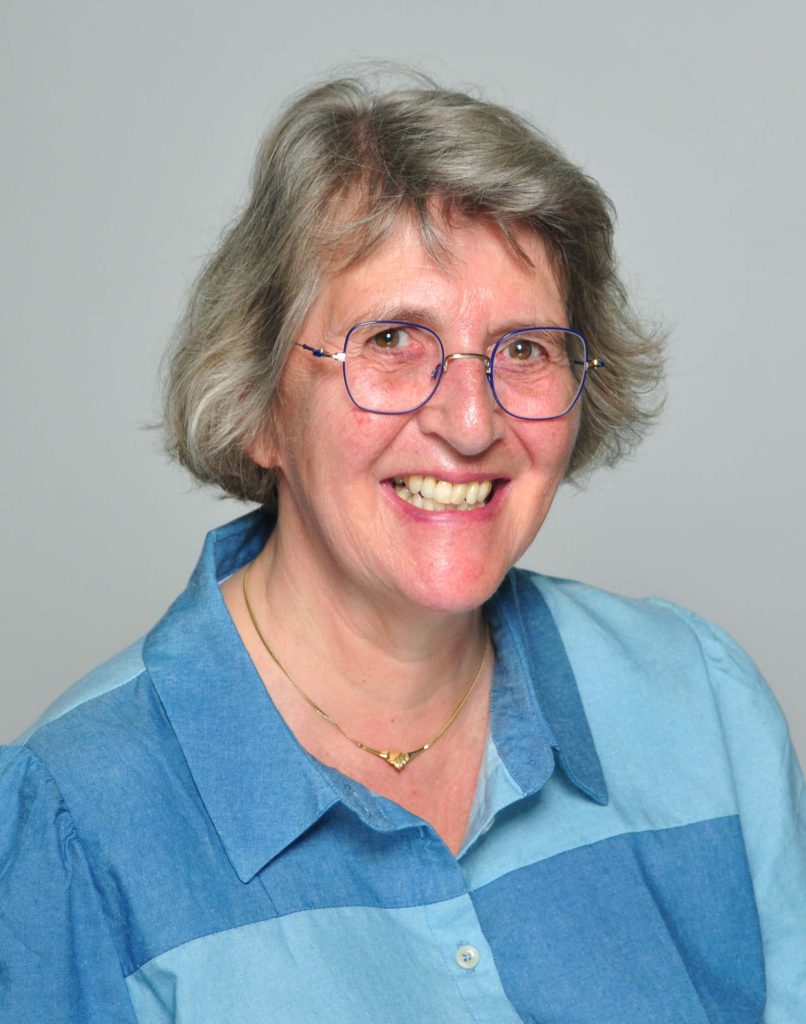
Q1. Which moments from your personal and professional life shaped the person you are today?
Willeke:
Even during high school, I was drawn to working with people who were more vulnerable or faced greater challenges than others. After graduating, I wanted to start working rather than continue studying immediately. My parents encouraged me to combine work and education, which led me into nursing and mental healthcare.
I spent several years working in psychiatry before deciding to study political science. That combination of practical care experience and policy education shaped much of my future career.
After graduating, I worked in advisory roles in the Dutch Parliament and later at a governmental agency responsible for healthcare standards and facilities in the Netherlands. There, I focused on issues such as how healthcare environments should be designed from the perspective of the people using them, including older adults and people with disabilities. Those experiences deepened my interest in creating environments that work for everyone.
Q2. What is your personal relationship with disability today, and how has your understanding evolved over the years?
Willeke:
One of the guiding principles in my life has always been respecting and accepting people regardless of disability, background, or personal circumstances.
Over the years, my understanding has become much more personal. Today, I am an informal caregiver for my father, who uses a wheelchair, and I also support my husband, who has Parkinsonism. Through these experiences, I have become very aware of the barriers that still exist in transport, housing, public services, and policy.
I’ve learned firsthand that our environments are not yet truly inclusive. While awareness has improved, accessibility is still not a standard part of how many places and services are designed. This realisation was one of the key motivations behind our project.
Q3. How has your perspective on disability changed since your youth?
Willeke:
I have become far more aware of what works and what does not. I understand much better where the barriers are and why they continue to exist.
One important lesson I learned through politics and policymaking is that people with disabilities themselves are often the most effective advocates for change. Policymakers tend to respond most strongly when people share their own lived experiences. That’s why empowering people to speak for themselves is so important.
Real change often begins at the local level, where people can directly influence decision-makers and demonstrate why inclusive environments matter.
Q4. What did working directly with people teach you that policy documents never could?
Willeke:
Nothing replaces personal experience and direct contact with people. Meeting people and learning from their lived experiences is the strongest form of education.
Policy documents often describe groups in general terms, but individuals rarely recognise themselves in those descriptions. People are far more diverse and complex than any policy paper can capture. Policies are important, but they must be informed by real lives and real experiences.
Q5. What is the biggest gap between how decision-makers view inclusion and the reality people experience on the ground?
Willeke:
I think the biggest challenges are awareness, resources, and knowledge.
Many people support inclusion in principle, but they may not fully understand its urgency or know how to implement it effectively. If society recognised inclusion as an urgent priority, funding and resources would be made available.
There is also a knowledge gap. People often don’t know what practical changes are needed to support individuals with different disabilities. Inclusion is rarely about one solution. Different people have different needs, and creating environments that balance accessibility, comfort, and usability can be challenging.
Perfection may not always be possible, but we should always strive to make things better than they are now.
Q6. Which perspective has influenced you the most: seeing people as patients, service users, citizens, or rights holders?
Willeke:
Personal experience has had the greatest impact on me.
Supporting my husband and caring for my father has shown me what daily life is really like for people who depend on support. It has also made me aware of the challenges faced by informal caregivers.
When someone close to you experiences disability, it becomes much more than a policy issue. You begin to understand the practical realities, the emotional impact, and the constant adjustments people make in their everyday lives. That experience changes the way you see everything.
Q7. Where do policies, technology, or services most often fail people?
Willeke:
One major obstacle is bureaucracy. Complex systems, conflicting regulations, and administrative procedures often make life unnecessarily difficult.
Technology is another example. I strongly support technology because it can improve people’s lives, but many systems are designed with the assumption that everyone can use them in the same way.
For example, my father understands technology perfectly well, but because of physical limitations, he cannot use a smartphone effectively. Too often, designers and policymakers focus on the average user and overlook people who have different needs. Accessibility must be considered from the beginning, not added later.
Q8. Can you share an example of how an environment can exclude people?
Willeke:
Public transport is a good example.
In parts of the Netherlands, some train services require wheelchair users to request assistance in advance. While assistance may be available, it removes spontaneity and independence. A wheelchair user cannot simply decide to travel at a moment’s notice in the same way other people can.
This shows how accessibility is not only about physical access. It is also about freedom, independence, and equal opportunities.
Q9. Is independent living truly possible for people with disabilities today?
Willeke:
In many cases, yes, provided people receive the right level of support.
My father, for example, can make decisions and organise his life independently, but he needs assistance with daily physical activities. With adequate support, he can continue living independently.
Of course, the answer depends on a person’s circumstances. There may come a point when specialised residential care is the safest option. However, in most situations, with suitable adaptations and support systems, people can live independently and maintain a high quality of life.
Q10. What does a smart, healthy, age-friendly environment mean to you?
Willeke:
A truly age-friendly and inclusive environment combines social, digital, and physical accessibility.
People should have opportunities to meet others, participate in their communities, and maintain social connections. Technology should adapt to people’s needs and abilities rather than expecting people to adapt to technology. Artificial intelligence may help make many services more accessible in the future.
At the same time, public buildings, transport systems, information services, and public spaces should be accessible to everyone. Inclusion requires a combination of measures working together in a person-centred way.
Q11. How was the idea for the project born, and why did you want to be involved?
Willeke:
The idea emerged through discussions with a national advocacy organisation for people with disabilities and chronic illnesses.
We were inspired by the principles of the UN Convention on the Rights of Persons with Disabilities, particularly the need to raise awareness and promote inclusion. We realised that governments alone would not drive this change. People with disabilities themselves need opportunities, tools, and confidence to advocate for their rights.
That belief became one of the foundations of the project.
Q12. What would you say to a team that wants to include people with disabilities but does not know where to start?
Willeke:
The first step is simple: treat people with disabilities as equal participants and show them the same respect you would show anyone else.
Then start a dialogue. Ask people what they need and how they would like to be involved. Accessibility is not something you decide for people; it is something you develop together with them.
It is also valuable to connect with disability organisations and learn from their expertise. Inclusion begins with listening.
Q13. Why do projects like this matter?
Willeke:
Projects like this matter because they provide practical tools that help people advocate for themselves and make their voices heard.
Many people with disabilities have not been encouraged or supported to speak up about their needs. This project helps them develop the confidence and skills to engage with policymakers, service providers, and their local communities.
It demonstrates that meaningful change does not always require large budgets. Sometimes it starts with knowledge, confidence, and the ability to communicate your experience.
Q14. What do you hope people take away from this interview and from the project?
Willeke:
I hope people, both with and without disabilities, understand that social inclusion is one of the most important values in society.
We will never create a perfect environment for everyone, but we can continue moving toward a more inclusive society. If this project contributes even a small step in that direction, I will consider it a success.
Ultimately, I hope it encourages greater awareness. Because once people become aware of barriers and understand the experiences of others, they are much more likely to support meaningful change.
Comments are closed, but trackbacks and pingbacks are open.